

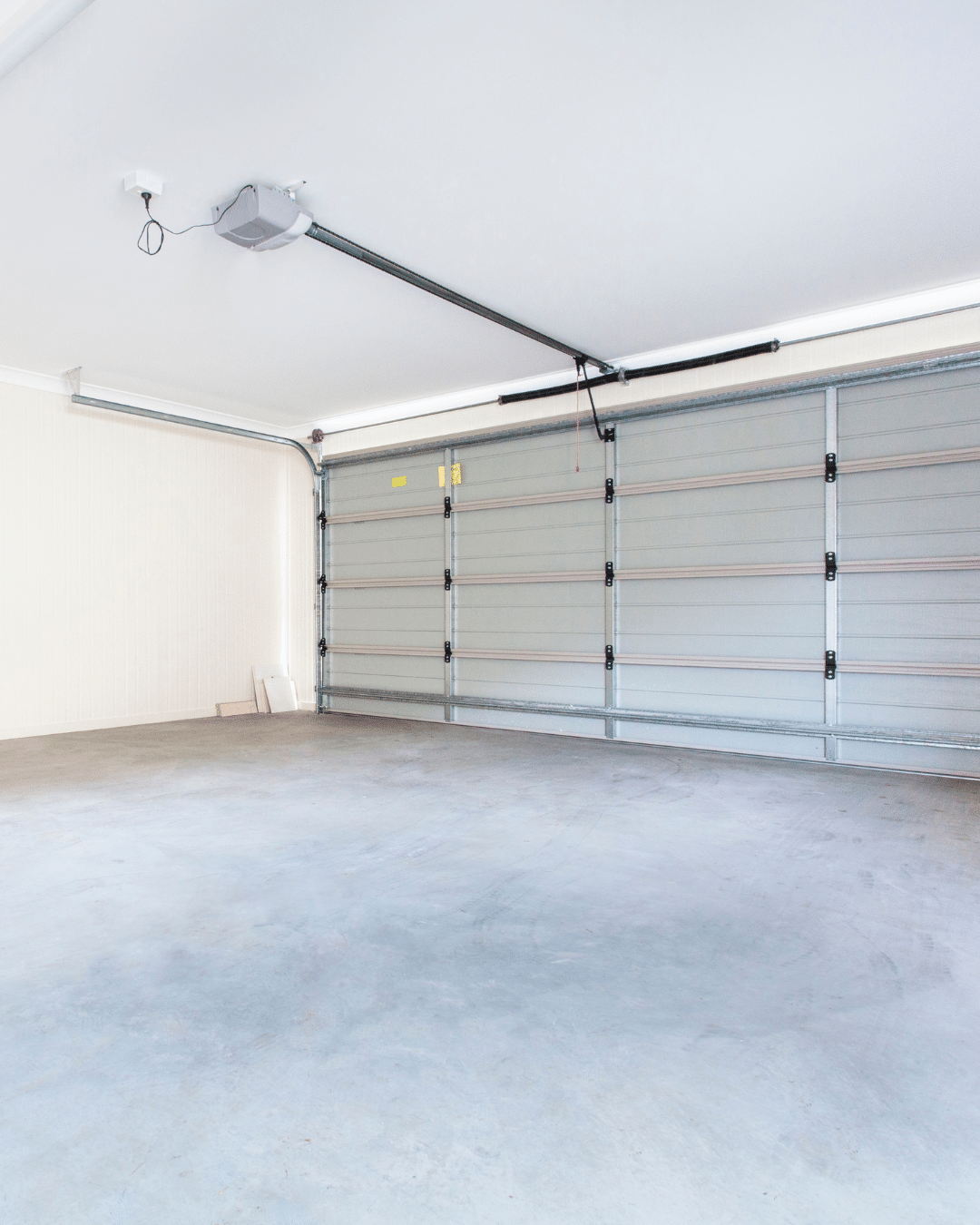
Understanding Garage Door Track and Roller Wear: When to Repair or Replace
Your garage door depends on a precise system of rollers and garage door tracks to open and close safely. While homeowners often focus on the garage door opener or garage door springs, worn rollers and damaged tracks are some of the most common causes of uneven movement and operational failure in a residential garage door.
Because these components guide the full weight of the door from floor to ceiling, even small issues can lead to larger system problems. Knowing when simple maintenance or adjustment is enough—and when garage door track replacement or full component replacement is necessary—can protect your home, your warranty, and your safety.
How Garage Door Tracks and Rollers Work Together
When you press your garage door opener, the door travels vertically along the garage door track, curves through the radius section, and continues horizontally along the ceiling. Rollers—typically nylon or steel with internal ball bearing systems—allow the door to glide smoothly inside those tracks.
The tracks are anchored to the jamb near the door opening and secured with brackets, nuts, and bolts along their full length. The torsion spring or garage door torsion system above the door counterbalances its weight, while hinges connect each panel and allow controlled movement.
If any of these parts wear out, alignment shifts—even by a fraction of an inch—the entire garage door system can become unstable.
Common Signs of Roller Wear
Rollers typically last 7–10 years depending on use, garage door maintenance habits, and environmental conditions like heat and moisture. In Colorado, temperature swings can accelerate wear.
Watch for these warning signs:
Grinding or Squeaking Noises
Persistent noise often indicates worn ball bearing assemblies or insufficient lubricant. While applying a garage-safe lubricant may reduce friction temporarily, ongoing noise usually means replacement is needed.
Jerky or Shaking Movement
If the door vibrates or hesitates during operation, worn rollers may not be traveling smoothly inside the garage door tracks.
Visible Cracks or Rust
Nylon rollers can develop flat spots or cracks. Steel or stainless steel rollers may show corrosion. Exposed bearings or wobbling rollers indicate structural failure.
In most cases, replacing all rollers at once is more cost-effective than replacing them individually. When one fails, others are typically close behind.
Common Signs of Garage Door Track Problems
Garage door tracks are engineered to remain rigid and aligned from floor to ceiling. However, vibration, impact (such as accidentally bumping the door with a truck), or loose hardware can cause damage.
Door Appears Off-Center
If the door looks uneven in height when closed, or sits crooked within the jamb, misalignment may be present.
Shaking or Slow Operation
When tracks shift even slightly, the rollers encounter resistance. This can create shaking or slow movement.
Visible Bends or Twists
Minor dents may be repairable with professional adjustment. Deep bends or warping usually require garage door track replacement to restore safe travel.
When Repair Is the Right Solution
Not every issue requires full replacement. A professional inspection determines whether repair is sufficient.
Roller Maintenance or Adjustment
If rollers are dry but structurally intact, proper lubrication and minor adjustments may restore smooth operation. However, this is often temporary if bearings are already worn.
Track Realignment
Loose brackets, stripped nuts, or slightly shifted tracks can often be tightened and realigned using proper tools such as a screwdriver and level. Cleaning debris from tracks can also improve performance.
Routine garage door service can catch these issues before they escalate into larger repairs.
When Replacement Is Necessary
There are clear situations where replacing components is the safest option.
Replace Rollers When:
Nylon wheels are cracked or chipped
Bearings are exposed or failing
Rust compromises steel rollers
Noise persists despite maintenance
Upgrading to high-quality ball bearing rollers can improve durability and reduce strain on the garage door opener.
Replace Garage Door Tracks When:
Structural bends prevent smooth travel
The door frequently jumps off track
Warping alters the radius or alignment
The system is aging and experiencing repeated failures
In older systems, especially those over 15 years old, extensive wear across tracks, rollers, and garage door springs may signal that a broader garage door replacement should be considered as part of long-term home improvement planning.
How Track and Roller Wear Affects the Entire Garage Door System
Ignoring track or roller wear can impact:
Garage door springs and torsion spring systems, which compensate for added resistance
Garage door opener motors, which may overwork
Hinges and panels, which can bend under uneven stress
Sensors, which may misread door position if alignment shifts
Even home automation systems tied to smart garage door openers depend on precise mechanical operation. Mechanical wear can interfere with system feedback and performance.
The Importance of Professional Inspection
Garage doors are heavy and operate under tension. Adjusting tracks or replacing rollers without proper training can cause injury or further damage.
A qualified technician will:
Measure track alignment and height precisely
Inspect brackets, hinges, and jamb mounting points
Evaluate torsion spring balance
Check roller length and bearing condition
Confirm opener and sensor functionality
Ensure all components meet safety and warranty standards
Professional troubleshooting ensures the entire garage system works together safely.
Protect Your Garage Door with Preferred Garage Doors
If your garage door is shaking, noisy, uneven, or showing visible track or roller wear, it’s time for a professional inspection. Addressing problems early can prevent more costly garage door repair or even premature need to replace garage door systems entirely.
At Preferred Garage Doors, our experienced technicians provide expert garage door service for residential garage door systems, including roller replacement, garage door track replacement, and full system evaluations.
Whether your system needs minor maintenance or more extensive repair, we’ll provide clear recommendations based on safety, performance, and long-term reliability.
Contact Preferred Garage Doors today to schedule your garage door inspection or repair service.
Frequently Asked Questions
Most rollers last between 7–10 years depending on usage, maintenance, and environmental conditions like heat and moisture.
Minor alignment issues may be adjustable, but structural bends typically require professional garage door track replacement for safety.
Yes. Increased resistance forces the garage door opener to work harder, potentially shortening its lifespan.
In most cases, yes. Replacing all rollers ensures balanced performance and reduces uneven wear.
An annual inspection is recommended to identify wear in rollers, tracks, springs, and other components before failure occurs.
If multiple components—tracks, rollers, garage door springs, and panels—show significant wear, replacing the entire system may be more cost-effective long term.