

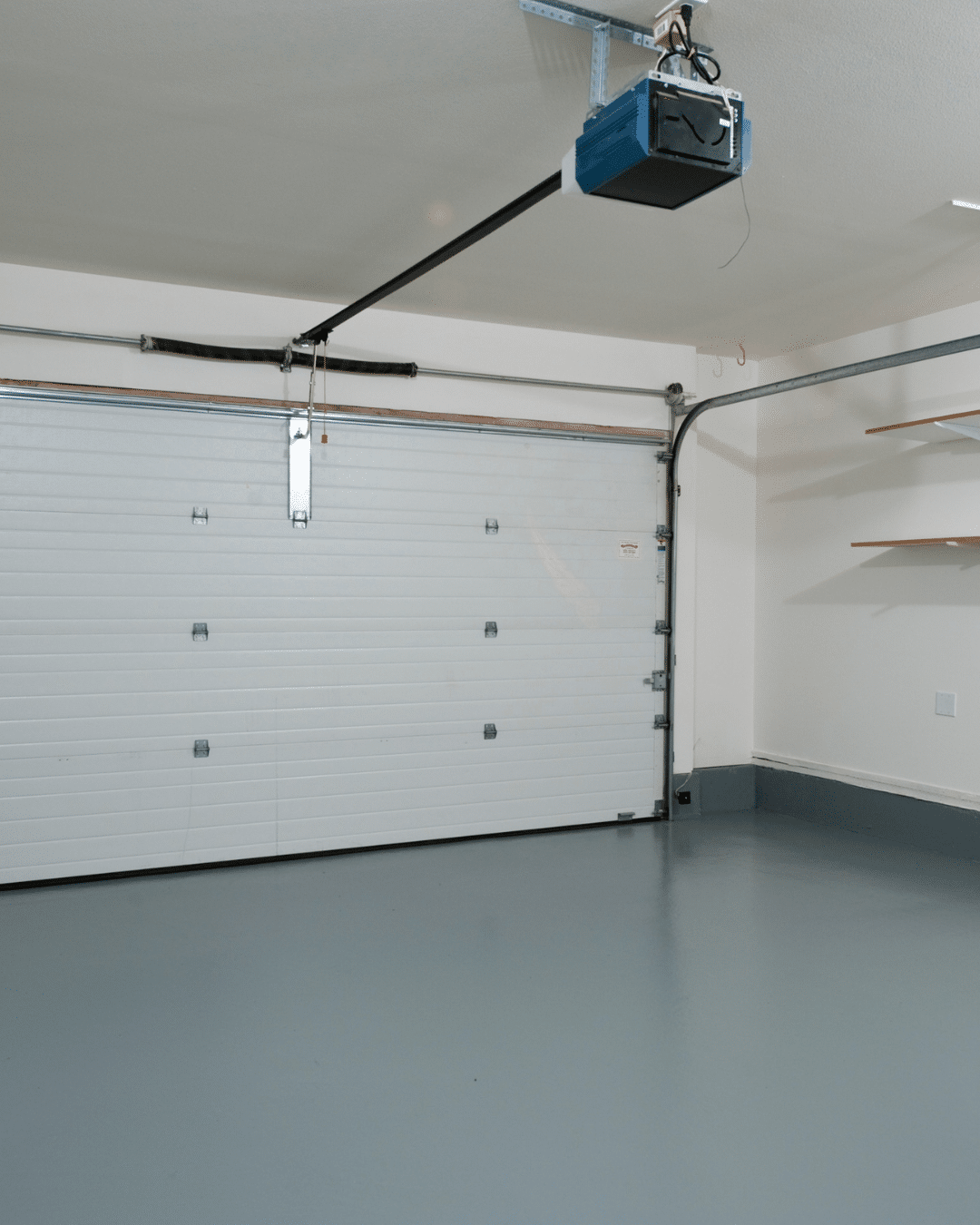
What Causes Uneven Garage Door Movement and How Repair Pros Fix It
If your garage door looks crooked when opening, shakes during operation, or seems to hang lower on one side, you’re likely dealing with uneven movement. While it may start as a small annoyance, uneven garage door movement is often a sign of a deeper mechanical issue that should not be ignored.
Because a garage door is one of the heaviest moving components in your home, balance and alignment are critical for safe operation. When one part of the system fails or shifts, the entire door can become unstable.
Below, we’ll explain the most common causes of uneven garage door movement and how professional garage door repair technicians safely correct the problem.
Why Uneven Garage Door Movement Is a Concern
A garage door system relies on precise balance between springs, cables, tracks, rollers, and the opener. When one side lifts differently than the other, extra strain is placed on the entire system.
Left unresolved, uneven movement can:
Increase wear on the garage door opener
Cause rollers to jump off track
Damage panels or hinges
Lead to sudden system failure
Create safety hazards
Identifying the root cause early helps prevent more expensive repairs later.
Common Causes of Uneven Garage Door Movement
Broken or Weakened Springs
Garage door springs—either torsion springs mounted above the door or extension springs along the sides—are responsible for evenly distributing weight during lifting.
If one spring breaks or weakens, the door will no longer lift evenly. You may notice one side rising slower, sagging, or refusing to open fully.
Springs operate under extreme tension, and a broken spring can cause sudden imbalance. This is one of the most common causes of uneven garage door movement.
Frayed or Misaligned Cables
Lift cables work alongside the springs to raise and lower the door evenly. If a cable stretches, frays, or slips off the drum, one side of the door may hang lower.
In some cases, the cable may still appear intact but has lost tension. Even a small difference in cable length can create visible imbalance.
Misaligned or Bent Tracks
Garage door tracks guide the rollers from floor to ceiling and along the horizontal ceiling track. If tracks shift out of alignment or become bent, rollers can bind or stick on one side.
This often results in:
Jerky movement
Shaking during operation
One side moving faster than the other
Loose mounting brackets or impact damage can cause track misalignment.
Worn Rollers or Loose Hinges
Rollers allow smooth travel within the tracks. When rollers wear down or hinges loosen, friction increases. This resistance can cause one side of the door to move unevenly.
Flat spots on rollers, worn bearings, or cracked nylon wheels commonly contribute to imbalance.
Garage Door Opener Issues
Sometimes uneven movement is not mechanical but related to the opener system.
Low force settings, sensor obstruction, or misconfiguration can cause the door to reverse unexpectedly or move inconsistently. While less common than spring or cable issues, opener settings can contribute to uneven operation.
How Repair Professionals Fix Uneven Garage Door Movement
Correcting uneven garage door movement requires identifying the precise source of imbalance. Professional technicians follow a structured diagnostic approach.
Spring Replacement and Balancing
If springs are worn or broken, technicians typically replace both springs—not just one—to restore equal lifting power. This ensures balanced tension across the entire door.
Spring replacement is a professional-only repair due to the high tension involved.
Cable Adjustment or Replacement
When cables are stretched or off-track, technicians safely reset the drums and install new cables if needed. Proper tension ensures both sides lift evenly.
Track Realignment
Using precision levels and proper tools, professionals adjust the vertical and horizontal tracks. Mounting brackets are tightened, and minor bends may be corrected to restore smooth roller movement.
In cases of structural damage, track sections may need replacement.
Roller and Hinge Replacement
If worn rollers are contributing to binding, technicians may replace them with high-quality ball-bearing rollers to improve smooth operation. Loose hinges are tightened or replaced to maintain panel alignment.
Opener Calibration
When opener settings are contributing to uneven movement, technicians adjust force limits, inspect sensors, and confirm the door is balanced independently before reconnecting the opener.
A properly balanced door should remain in place when lifted halfway manually.
Why Professional Repair Is Important
Uneven garage door movement is not just a cosmetic issue. Because springs and cables operate under significant tension, DIY repairs can be dangerous.
Professional garage door repair technicians have the training and tools to:
Safely release spring tension
Restore proper alignment
Prevent further structural damage
Ensure long-term safe operation
Attempting to force an uneven door to operate can worsen the issue and damage additional components.
Schedule Garage Door Repair with Preferred Garage Doors
If your garage door is crooked, shaking, or lifting unevenly, it’s time for a professional inspection. Addressing imbalance early can prevent more extensive damage and restore safe operation.
The experienced team at Preferred Garage Doors provides thorough residential garage door repair services, including spring replacement, cable adjustment, track alignment, and system balancing.
We’ll diagnose the cause of uneven movement and recommend the safest, most effective solution.
Contact Preferred Garage Doors today to schedule your garage door inspection or repair.
Frequently Asked Questions
No. Continued operation can strain the opener, damage tracks, and increase the risk of sudden failure.
Disconnect the opener and lift the door halfway manually. If it doesn’t stay in place, the springs may be unbalanced.
Yes. A single broken or weakened spring can cause one side of the door to hang lower.
Yes. Lift cables can stretch or fray with use, leading to imbalance.
Minor misalignment can often be corrected. Severely bent tracks may require replacement.
Annual professional inspections help detect spring, cable, and track issues before they lead to uneven movement.